
Hangxiety and Dehydration: Body Signals That Feel Like Panic
Dehydration can add a racing heart, dizziness, weakness, and sweating to hangxiety, making an uncomfortable morning feel genuinely alarming.
Updated 2026-08-28 · Written by the Hangxiety team
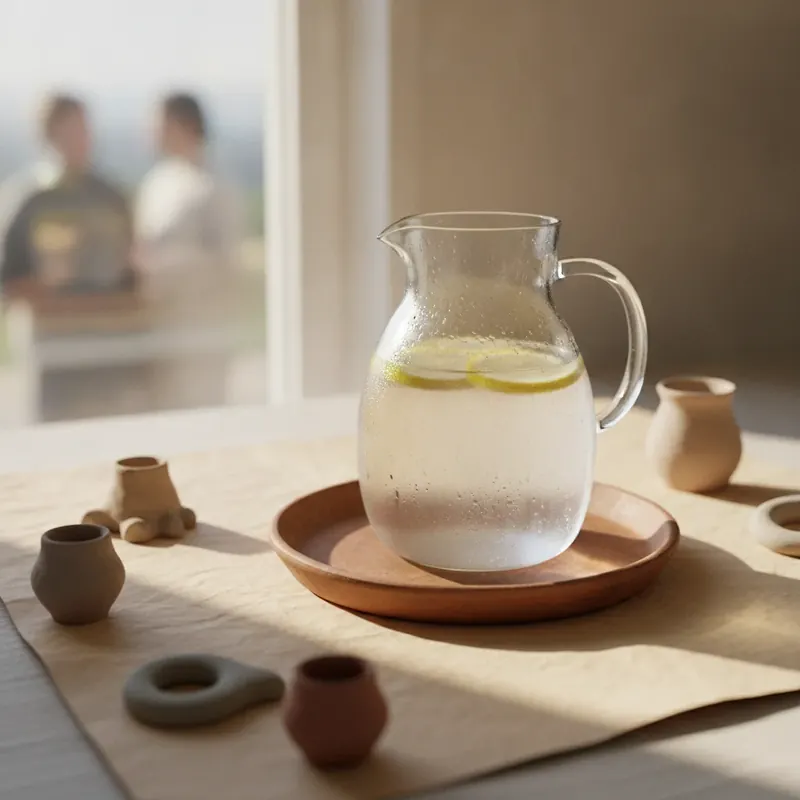
Alcohol increases fluid loss, and mild dehydration can cause thirst, headache, dizziness, weakness, sweating, and a faster heartbeat. Those sensations overlap with the body signals people associate with anxiety or panic, so dehydration may intensify hangxiety. Water can help with fluid loss, but it cannot reverse every effect of alcohol, poor sleep, or the nervous system’s rebound.
Why dehydration can feel like anxiety
Dehydration can create physical sensations that your brain reads as danger. A pounding or faster heartbeat, light-headedness, sweating, weakness, dry mouth, muscle tension, and quick breathing can all resemble the start of a panic response. If you wake up already worried about what you said or did, those sensations may seem like proof that something is seriously wrong. Alcohol and Drug Foundation
This does not mean the anxiety is imaginary. The body signals are real, and the fear they provoke can be real too. The confusing part is that the original trigger may be partly physical rather than emotional. Fluid loss, disrupted sleep, stomach irritation, low food intake, and alcohol’s effects on the nervous system can arrive at the same time.
A common loop follows: you notice dizziness, interpret it as danger, check your pulse, tense your muscles, and begin breathing faster. That added stress makes the sensations louder. Recognizing the overlap can help you respond to the body first instead of immediately assuming the worst.
What alcohol does to your fluid balance
Alcohol makes you urinate more by suppressing vasopressin, a hormone that normally helps the kidneys retain fluid. That extra fluid loss can contribute to thirst, fatigue, headache, and other familiar hangover symptoms. You may lose more fluid if you were dancing, sweating, vomiting, or drinking without much water.
The National Institute on Alcohol Abuse and Alcoholism explains that mild dehydration is one contributor to a hangover, not its single cause. Alcohol also disrupts sleep, irritates the stomach, promotes inflammation, and produces chemical byproducts as the body processes it.
This distinction matters because drinking water before bed does not guarantee an easy morning. You can be reasonably hydrated and still feel anxious, shaky, nauseated, or exhausted. You can also be dehydrated without having severe hangxiety. Most next-day experiences come from several effects stacking together.
The body-signal feedback loop
Hangxiety often grows when ordinary hangover sensations are interpreted as signs of an approaching crisis. A fast heartbeat can become “I’m losing control.” Dizziness can become “I might pass out.” Shaking can become “Something is dangerously wrong.” Once that interpretation lands, the stress response may add more adrenaline, faster breathing, sweating, and muscle tension.
Alcohol’s short-term calming effect can make the contrast sharper. As it leaves your system, the nervous system may feel more activated than it did while you were drinking. Poor sleep lowers your tolerance for discomfort, while memory gaps or social worries give your mind something to replay. Dehydration then adds physical noise to an already sensitive system.
Try naming the signals precisely: My mouth is dry. I am light-headed when I stand. My heart feels faster. I slept badly. Specific observations are usually less frightening than the broad thought that everything is wrong. You do not need to argue with yourself or force calm; the goal is to separate a sensation from the worst possible explanation.
A steady way to rehydrate
Gradual fluids, food, rest, and a lower-stimulation morning are usually more useful than trying to fix everything at once. Sip water at a comfortable pace rather than forcing a large amount quickly. If you have been sweating or vomiting, a normal meal, broth, or an electrolyte drink may help replace both fluid and salts.
Choose food you can tolerate, ideally with carbohydrates, protein, and some salt. Toast with eggs, rice with soup, yogurt with fruit, or a simple sandwich can be easier than a heavy meal. Food will not erase a hangover, but an empty stomach can add shakiness and weakness that feel like anxiety.
- Sit down if standing makes you light-headed.
- Keep the room cool and reduce bright light or loud sound.
- Take slow, comfortable breaths without forcing unusually deep breaths.
- Delay stressful texts, social-media review, and major decisions until you feel steadier.
- Avoid using more alcohol to quiet the sensations; it can postpone and prolong the cycle.
Electrolyte products are optional, not a special answer to hangxiety. Water and regular food may be enough for mild fluid loss. Drinking excessive amounts of plain water can also be unsafe, so aim for steady intake guided by thirst rather than treating hydration as a challenge.
What water can and cannot change
Hydration may reduce the portion of hangxiety driven by fluid loss, but it cannot switch off the whole hangover. A glass of water may help dry mouth and thirst while leaving you tired, emotionally raw, or stuck replaying the night. That does not mean hydration failed; it means dehydration was only one piece.
Time is often the least satisfying but most accurate part of the answer. Your body still has to process alcohol’s aftereffects, recover from fragmented sleep, settle stomach irritation, and return its stress systems toward baseline. Rest, fluids, and food support that process rather than instantly completing it.
Be cautious with caffeine. Coffee may feel necessary after poor sleep, but it can also add a racing heart, trembling, stomach upset, and alertness that feels like panic. If caffeine tends to make you anxious, wait until you have eaten and rehydrated, choose a smaller amount, or skip it that morning. More stimulation is not always more energy.
When the symptoms need more than hydration
Severe, persistent, or unusual symptoms should not be written off as dehydration or hangxiety. Get urgent help for chest pain, severe trouble breathing, fainting, confusion, a seizure, blue or gray skin, inability to wake someone, repeated vomiting with an inability to keep fluids down, or signs that alcohol poisoning may be involved. In the United States, call 911 or Poison Control at 1-800-222-1222 when appropriate.
A very rapid or irregular heartbeat that does not settle also deserves prompt attention, especially if it comes with chest pain, fainting, or breathing difficulty. Anxiety and dehydration can affect how your heartbeat feels, but they are not safe explanations for every cardiac symptom.
If next-day anxiety repeatedly disrupts work, sleep, or relationships, consider discussing the pattern with a healthcare professional. Tracking how much you drank, whether you ate, sleep quality, caffeine, and symptoms can reveal useful patterns without requiring perfect recall.
If you drink heavily every day, talk to a doctor before stopping abruptly. This page is general education, not medical advice.
Common questions
Can dehydration cause hangxiety?
Dehydration can contribute to hangxiety by causing dizziness, weakness, sweating, headache, and a faster heartbeat. It is usually one factor alongside poor sleep, alcohol’s nervous-system effects, stomach irritation, and next-day worry.
Why does dehydration feel like a panic attack?
Dehydration and panic can produce overlapping signals, including a racing heart, light-headedness, sweating, muscle tension, and rapid breathing. Feeling those sensations can trigger fear, which may intensify the body’s stress response.
Will drinking water stop hangxiety?
Water may ease thirst and other symptoms related to fluid loss, but it will not immediately reverse every cause of hangxiety. Sleep disruption, nervous-system rebound, fatigue, and social worry may remain after you rehydrate.
Are electrolytes better than water for hangxiety?
Electrolytes may be useful if you have lost fluid through heavy sweating or vomiting, but they are not a direct fix for anxiety. For mild dehydration, steady water intake and regular food may be enough.
Why is my heart racing during a hangover?
Dehydration, poor sleep, stress hormones, caffeine, and alcohol’s aftereffects can all make your heart feel faster or more forceful. Seek prompt help if the heartbeat is very rapid or irregular, does not settle, or comes with chest pain, fainting, or breathing difficulty.
How long does dehydration anxiety after drinking last?
There is no fixed timeline because the amount consumed, fluid loss, sleep, food, and individual response all matter. Symptoms should generally ease as you rest, eat, rehydrate, and recover, but severe or worsening symptoms need medical attention.
Can coffee make dehydration anxiety worse?
Coffee can add trembling, a faster heartbeat, stomach discomfort, and heightened alertness, especially when you are tired or have not eaten. If caffeine worsens your anxiety, use less, delay it until after food and fluids, or skip it.