
Hangover symptoms: what you may feel and why
A hangover is more than a headache. Here is the full range of body and mind symptoms, with the causes behind them.
Updated 2026-11-23 · By the Hangxiety team
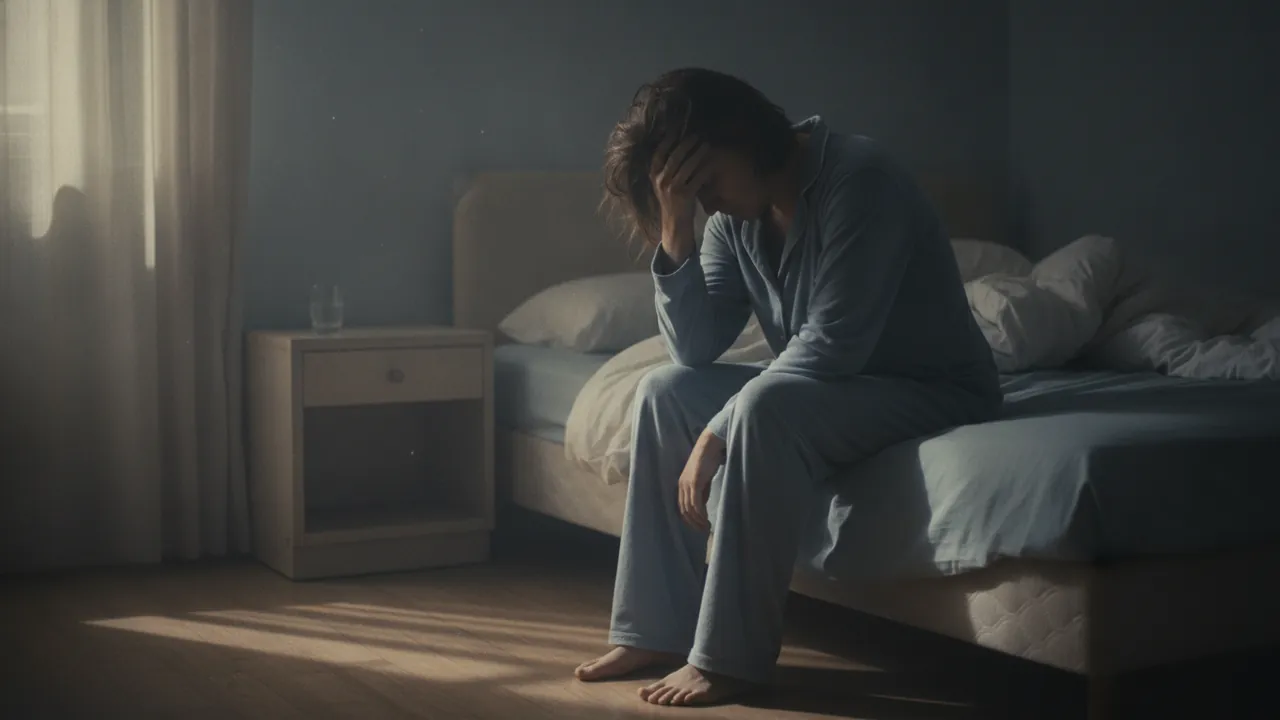
Hangover symptoms are the unpleasant effects that follow heavy drinking once your blood alcohol falls. The most common are headache, fatigue, thirst, nausea and a dry mouth, often with anxiety, irritability and trouble concentrating. NIAAA and Mayo Clinic describe the same cluster, and it usually peaks as your blood alcohol reaches about zero.
The full list of hangover symptoms
Not everyone gets every symptom, and the mix changes from night to night. The NIAAA and Mayo Clinic lists together cover these.
| Body | Mind and mood |
|---|---|
| Headache and muscle aches | Anxiety and irritability |
| Thirst and dry mouth | Low mood or depression |
| Nausea, vomiting and stomach pain | Trouble concentrating or thinking clearly |
| Fatigue, weakness and poor sleep | Sensitivity to light and sound |
| Dizziness (vertigo) and shakiness | Feeling on edge or restless |
| Sweating, fast heartbeat, raised blood pressure |
The anxious end of the list, known as hangxiety, has its own guides: hangxiety symptoms covers the mental and emotional signs in more depth.
Why each hangover symptom happens
A hangover has several overlapping causes, and researchers do not agree on how much each contributes. These are the main ones named by NIAAA and Mayo Clinic.
- Dehydration. Alcohol suppresses the hormone vasopressin, so you pass more urine. Thirst, headache, dizziness and fatigue follow.
- Disrupted sleep. Alcohol can make you fall asleep faster, but it fragments sleep and wakes you early.
- Inflammation. Alcohol triggers an immune response that adds to the achy, unwell feeling.
- Stomach irritation. Alcohol raises stomach acid, which can cause nausea and pain.
- Acetaldehyde. The liver turns alcohol into this toxic by-product before clearing it.
- Low blood sugar, which can leave you weak and shaky.
- A nervous system rebound as alcohol's calming effect wears off, which feeds anxiety and jitters.
Congeners, compounds created in fermentation, are more common in darker drinks such as bourbon and may worsen hangovers for some people. The amount of alcohol remains the bigger factor. For the deeper chemistry behind the mood side, see what causes hangxiety.
How a hangover usually unfolds
There is no official set of hangover stages, but most people follow a pattern. Sleep is light and broken. You wake thirsty, with a headache and a heavy body. Symptoms peak around the time your blood alcohol reaches zero, often late morning, then ease through the day. The full range runs up to a day or longer, as laid out in how long a hangover lasts.
Telling a hangover from another illness
Timing is the best clue. Hangover symptoms follow heavy drinking and ease as alcohol leaves your system and you rest. Symptoms that began before you drank, bring a high fever, or keep getting worse are less typical and worth a call to a clinician. If you drink daily and feel anxious, shaky or sweaty until you have another drink, that may be withdrawal, which can be dangerous.
Symptoms that mean it is not a hangover
Alcohol poisoning is an emergency. Mayo Clinic lists these signs:
- Confusion, or being unable to stay awake
- Repeated vomiting
- Seizures
- Slow breathing (fewer than 8 breaths a minute) or pauses of 10 seconds or more
- Blue or gray skin, or pale clammy skin
- Low body temperature or slow heart rate
- Passing out and being impossible to wake
Call emergency services and do not leave the person to sleep it off. Chest pain, fainting or trouble breathing in anyone also needs urgent care. When hangxiety needs medical attention has more on the next-day warning signs.
What to do about hangover symptoms
You cannot make them disappear, but you can ease them with fluids, plain food and rest. The hangover cure guide covers what helps and what to skip, including painkiller cautions. This page is general information, not medical advice.
Questions about hangover symptoms
What does a hangover feel like?
A hangover typically feels like a pounding headache, thirst, nausea, heavy fatigue and sensitivity to light and noise. Many people also feel anxious, low or irritable, and find focusing hard.
What are the stages of a hangover?
Hangovers have no official stages, but a common sequence is broken sleep, waking thirsty and achy, a peak when blood alcohol reaches zero, then slow recovery. Anxiety can trail the physical symptoms.
How do I tell if I am sick or just hungover?
Timing is the main clue to telling a hangover from illness: a hangover starts after heavy drinking and improves within about a day. Symptoms that began before drinking or keep worsening suggest illness.
Why do I get a headache after drinking?
A headache after drinking usually comes from dehydration, inflammation and widened blood vessels, with poor sleep adding to it. It often peaks when blood alcohol is near zero.
Why does my stomach hurt after drinking?
Stomach pain after drinking happens because alcohol irritates the stomach lining and raises acid, causing nausea and pain. Repeated vomiting, blood or severe pain needs medical care.
Why am I so thirsty after drinking?
Thirst after drinking happens because alcohol makes you urinate more, which dries you out. Sipping fluids and eating something plain helps replace what you lost.
Why do I feel tired after drinking even if I slept?
Tiredness after drinking persists despite a full night in bed because alcohol fragments sleep, leaving it lighter and less restorative. Rest, fluids and food help the fatigue ease over the day.