
Hangover Anxiety Remedies That Actually Make Sense (hangover anxiety remedy)
There is no instant fix for hangxiety, but a few practical steps can make the wait more manageable without making tomorrow worse.
Updated 2026-08-28 · Written by the Hangxiety team
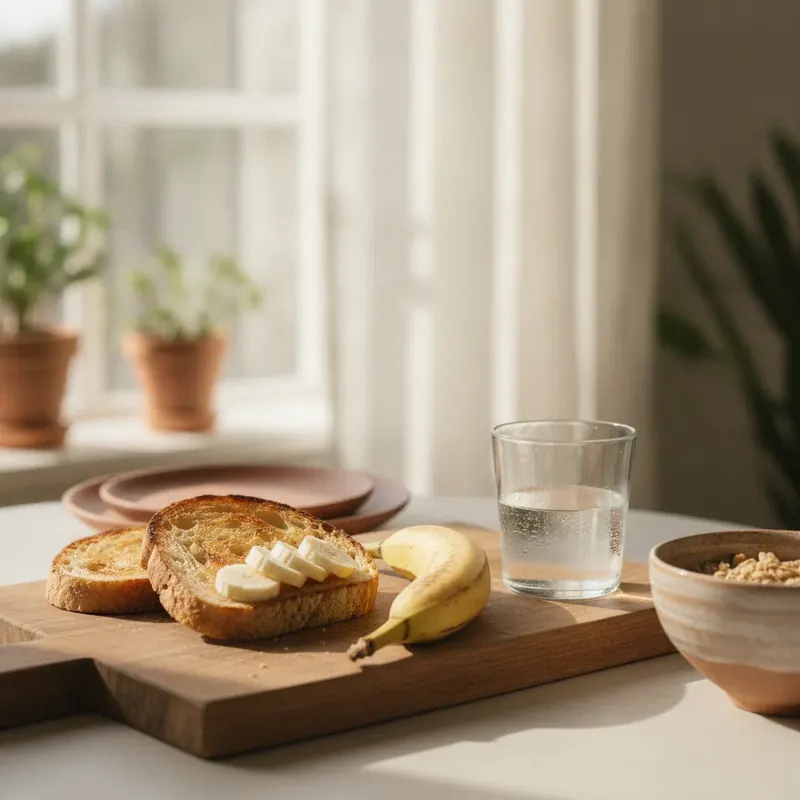
The most useful hangover anxiety remedies are water, a simple meal, rest, slow breathing, and a low-stimulation environment. These steps support recovery and make the anxiety easier to handle, but time is what clears the effects of alcohol. Avoid more alcohol, excessive caffeine, punishing exercise, and miracle supplements. Get urgent help for chest pain, severe confusion, trouble breathing, a seizure, or thoughts of harming yourself.
Why hangover anxiety has no instant remedy
Hangover anxiety usually improves as your brain and body regain balance, not because one remedy switches it off. Alcohol initially slows parts of the nervous system and can temporarily reduce self-consciousness or tension. As it wears off, the brain may swing toward a more alert state, leaving you restless, shaky, sensitive to sound, or stuck in repetitive thoughts. Alcohol and Drug Foundation
The physical hangover adds another layer. Poor sleep makes emotions harder to regulate. Dehydration can produce dizziness, a racing sensation, and headaches that feel alarming. An empty stomach may leave you weak or irritable. Nausea and inflammation can make the entire morning feel threatening, even when nothing dangerous is happening.
This is why the best response works on two tracks: support physical recovery and reduce the amount of fuel you give anxious thoughts. The National Institute on Alcohol Abuse and Alcoholism explains that popular hangover fixes have not been shown to speed recovery; the body needs time to clear alcohol-related by-products and return to normal function.
A remedy can make the waiting period easier. It cannot make your liver, sleep cycle, or nervous system reset on command.
A practical plan for the next few hours
Start with small, manageable actions rather than trying to fix every symptom at once. Hangxiety often creates urgency: you may feel that you need to solve last night, answer every message, clean the house, or determine whether everyone is upset with you. Most of those decisions can wait until you have eaten, hydrated, and rested.
- Sip water gradually. A glass of water is useful, but forcing a large amount at once may worsen nausea. If you have been vomiting or sweating, a normal electrolyte drink or broth may be easier to tolerate. More is not automatically better.
- Eat something simple. Try toast, oatmeal, bananas, rice, eggs, soup, yogurt, or another familiar food. A mix of carbohydrates and protein can be more sustaining than candy alone. Do not worry about creating the perfect recovery meal.
- Lower stimulation. Dim the lights, reduce phone notifications, put on familiar television or a calm podcast, and postpone stressful conversations. This gives an already alert nervous system less material to process.
- Rest without demanding sleep. You may be tired but too wired to fall asleep. Lying somewhere comfortable with your eyes closed still reduces stimulation. Avoid turning sleep into another performance test.
- Check the basic facts. Ask yourself when you last had water, food, medication, or real sleep. Then separate known events from imagined ones. “I sent three messages” is a fact; “everyone thinks I am unbearable” is a prediction.
If you are able, take a short, easy walk later in the day. Gentle movement and daylight may help you feel less trapped, but intense exercise is not required. If standing makes you dizzy or you feel unwell, rest instead.
How to calm the anxious part of a hangover
Use calming techniques to lower arousal while the physical hangover passes. They may not erase the anxiety, but they can interrupt the cycle in which a strange body sensation leads to a frightening thought, which creates an even stronger body sensation.
Make your exhale longer
Breathe in gently through your nose, then breathe out a little more slowly. For example, inhale for four comfortable counts and exhale for six. Repeat for one or two minutes without taking huge breaths. Stop if deliberate breathing makes you lightheaded or more focused on your body.
Ground yourself in the room
Name a few things you can see, hear, and physically feel. Notice the chair under you, the temperature of the air, or sounds outside. The goal is not to prove that you feel good. It is to move attention away from imagined social disasters and back toward the present.
Borrow perspective from someone steady
Text a trusted person and be specific: “I have hangover anxiety and could use a normal conversation.” You do not need to conduct a full review of the night. If there is a genuine mistake to address, you can handle it when your thinking is clearer.
Try delaying social-media checks, apology messages, major purchases, and relationship decisions. Hangxiety makes uncertainty feel like evidence. Give yourself a set review time later in the day rather than checking for reassurance every few minutes.
Remedies versus popular hangxiety myths
The useful remedies are usually ordinary, while many dramatic quick fixes either do nothing or briefly mask the problem. Here is how common suggestions compare.
- Water: helpful support, not a reset button. Hydration may ease thirst, dry mouth, headache, or dizziness. It does not instantly remove alcohol or reverse disrupted sleep.
- Food: useful when you can tolerate it. A balanced snack or meal can help with weakness and an empty stomach. Greasy food has no special power and may make nausea worse for some people.
- More alcohol: likely to postpone the problem. A morning drink may briefly dull uncomfortable sensations, but it adds more alcohol for your body to process. Anxiety can return later, and the recovery period may stretch out.
- Coffee: approach carefully. Caffeine may make you feel more awake, but it can also increase shakiness, a pounding heartbeat, stomach discomfort, and anxious energy. If you regularly use caffeine, consider a smaller amount after food rather than a strong coffee on an empty stomach.
- A cold shower: refreshing but temporary. A shower may help you feel cleaner and more alert. It does not speed the brain’s return to balance, and very cold water can feel intense when you are already panicky.
- Supplements and recovery powders: claims often exceed the evidence. Products marketed for instant hangover relief cannot guarantee relief from hangxiety. “Natural” does not automatically mean useful or risk-free, especially when supplements are mixed with medications.
- Pain relievers: not anxiety remedies. Some people use over-the-counter products for a headache, but they do not address anxious thoughts or nervous-system rebound. Alcohol can interact poorly with certain medications, so follow the label and ask a pharmacist or clinician if you are unsure.
- Hard exercise or sweating it out: unnecessary. Alcohol is primarily processed internally; a punishing workout does not force it out through sweat. Heavy exercise while dehydrated, nauseated, or dizzy can make you feel worse.
A sensible hangover anxiety remedy should pass a basic test: does it gently support hydration, nutrition, rest, or emotional regulation without adding more strain? If the method promises instant results, relies on another substance, or makes your heart race, be skeptical.
Make the next episode less intense
The most reliable way to reduce future hangover anxiety is to change the drinking conditions that lead to it. Hangxiety tends to be more likely when drinking is combined with little food, rapid refills, poor sleep, existing stress, or repeated checking of messages the next morning.
Before drinking, eat a real meal and decide on a limit while you are clearheaded. Alternate alcoholic drinks with water or another nonalcoholic option, and avoid letting other people set your pace. Stopping earlier in the evening may protect more of your sleep than drinking until bedtime.
Notice whether certain patterns consistently precede anxiety. Useful notes include how much you drank, how quickly, whether you ate, when you went to sleep, and how anxious you felt the next day. The point is not to calculate a guaranteed safe formula. It is to find your personal warning signs.
You may discover that even a modest amount reliably leads to dread, rumination, or a lost day. In that case, drinking less often, drinking less at a time, or skipping alcohol can be a practical choice. You do not need to wait for the reaction to become dramatic before changing the pattern.
If you drink heavily every day, talk to a doctor before stopping abruptly.
When it is more than an ordinary hangover
Get urgent help when symptoms are severe, dangerous, or clearly outside your usual hangover pattern. Call 911 for trouble breathing, a seizure, fainting, severe confusion, blue or gray skin, inability to wake, or chest pain. These are not symptoms to manage with water and breathing exercises.
Repeated vomiting, inability to keep fluids down, worsening weakness, or signs of significant dehydration also deserve prompt medical guidance. Do not assume every racing heartbeat, tremor, or episode of confusion is “just anxiety,” particularly if symptoms are intense or you have other health conditions.
If you might harm yourself or do not feel able to stay safe, call or text 988 in the United States or use local emergency services. Stay with another person if possible.
Outside an emergency, consider talking with a clinician if hangover anxiety happens frequently, lasts well beyond the expected hangover, causes panic-like episodes, or changes how you function. This page is general information, not medical advice. A professional who knows your health history can help you sort out whether alcohol, sleep, medication, or another issue may be contributing.
Common questions
How do you get rid of hangover anxiety quickly?
There is no reliable instant fix. Sip water, eat something simple, reduce stimulation, and use slow breathing while your body processes the alcohol and recovers from disrupted sleep.
How long does hangover anxiety usually last?
It often fades as the rest of the hangover improves, but the timing varies with alcohol intake, sleep, food, stress, and individual sensitivity. Seek medical guidance if it is severe, keeps worsening, or continues well beyond your usual hangover.
Why is my anxiety so bad the day after drinking?
Alcohol can be calming at first, followed by a more alert and unsettled state as it wears off. Poor sleep, dehydration, nausea, low energy, and worries about the previous night can intensify that rebound.
Does drinking water help hangover anxiety?
Water may ease dehydration-related symptoms such as thirst, headache, and dizziness, which can make anxiety feel less intense. It does not directly switch off anxious thoughts or make alcohol leave the body faster.
Is coffee good for hangover anxiety?
Coffee can worsen shakiness, stomach upset, a pounding heartbeat, and anxious energy for some people. If you regularly drink caffeine, consider a smaller serving after food and water rather than a large amount on an empty stomach.
Does more alcohol stop hangxiety?
Another drink may briefly mask the discomfort, but it usually postpones recovery and can allow the anxiety to return later. Water, food, rest, and time are the safer approach.
Should I apologize to people while I have hangover anxiety?
Wait until you are rested and can identify a specific action that requires an apology. Sending repeated reassurance-seeking messages while anxious can create more confusion without resolving anything.
When should I worry about anxiety after drinking?
Get urgent help for chest pain, trouble breathing, severe confusion, a seizure, fainting, or thoughts of self-harm. Arrange medical guidance if the anxiety is frequent, unusually intense, prolonged, or affecting your ability to function.